


In recent years, corporate event planning has entered a new phase—one defined by reflection, adaptation, and a renewed appreciation for in-person experiences. While virtual and hybrid events emerged out of necessity during the pandemic, organizations have since gained clarity on what those formats can and cannot accomplish. Digital platforms offered convenience and continuity, but they often lacked the depth, energy, and authenticity that come from sharing a physical space. As businesses evaluate how best to engage employees, clients, and stakeholders, in-person events have reasserted themselves as a vital component of effective corporate strategy. These return-to-live gatherings are not simply about reverting to old habits; they represent a strategic evolution in event planning. Companies are prioritizing experiences that foster trust, collaboration, and meaningful dialogue—outcomes that are far easier to achieve face to face. From leadership summits and industry conferences to product launches and internal meetings, organizations are starting to recognize that physical presence enhances engagement, strengthens relationships, and drives more measurable business results. Industry data reinforces this shift. According to Cvent.com, almost 70% of corporate events organized in North America in 2025 are expected to take place in person. This statistic signals more than a trend—it reflects a long-term commitment to live experiences and underscores the growing importance of thoughtful, strategic event planning. As the corporate landscape continues to evolve, in-person events are once again playing a central role in how organizations connect, communicate, and grow. The Limitations of Virtual-Only Event Experiences Virtual events offered accessibility and continuity, but they also revealed clear shortcomings over time. Attendee fatigue, limited attention spans, and reduced engagement became common challenges. Digital platforms struggled to replicate the spontaneity and energy of live interaction, often resulting in passive participation rather than meaningful involvement. Networking, a cornerstone of corporate event planning, proved especially difficult to achieve in a fully virtual environment. These limitations prompted organizations to rethink long-term engagement strategies. While virtual tools remain valuable, many businesses now recognize that they are most effective when used to complement—not replace—in-person experiences. This realization has fueled a renewed investment in live events that prioritize connection, collaboration, and experiential value. The Importance of Human Connection in Event Planning Human connection lies at the heart of successful event planning. In-person events allow participants to communicate through body language, tone, and shared experiences, all of which strengthen trust and understanding. These interactions create a sense of authenticity that virtual formats struggle to match. Live events also encourage organic conversations that often lead to unexpected insights and opportunities. Informal discussions during breaks, meals, and networking sessions foster relationships that extend beyond the event itself. For organizations, these connections translate into stronger partnerships, improved morale, and increased brand loyalty, reinforcing the enduring value of in-person gatherings. The Enhancement of Attendee Experience Through Live Engagement One of the most compelling advantages of in-person events is the ability to deliver immersive, multi-sensory experiences. Attendees engage with their surroundings through sound, visuals, and atmosphere, creating lasting impressions that enhance learning and retention. Carefully designed environments, dynamic presentations, and curated experiences elevate the overall impact of corporate events. Personalization also plays a significant role in modern event planning. In-person formats allow planners to tailor sessions, workshops, and activities to specific audiences. Attendees can participate actively, ask questions, and collaborate in real time, making the experience more relevant and valuable. This level of engagement fosters a stronger emotional connection to the event and its objectives. The Evolution of Event Venues and Physical Spaces Event venues have evolved to support the growing demand for flexible, engaging environments. Modern spaces prioritize adaptability, offering layouts that encourage collaboration, movement, and interaction. Open designs, modular seating, and multifunctional areas allow planners to align physical space with event goals. Outdoor and hybrid venues have also gained popularity, providing comfort, flexibility, and wellness benefits. These spaces enhance the attendee experience while offering creative opportunities for event planning. At the same time, sustainability has become a key consideration, with venues adopting eco-friendly practices that align with corporate responsibility initiatives and attendee expectations. The Use of Engagement Strategies in In-Person Events Intentional engagement strategies are essential to maximizing the value of live events, as they ensure attendees remain active participants rather than passive observers. Interactive sessions, live polling, workshops, and facilitated discussions allow participants to share their insights, ask questions in real time, and collaborate with peers on problem-solving activities. These methods not only make the learning experience more dynamic but also encourage attendees to retain and apply key information long after the event ends. Gamification has become a particularly effective tool in event planning, injecting excitement and motivation through challenges, competitions, and reward systems. Incorporating elements such as leaderboards, team challenges, trivia games, or milestone-based incentives can transform standard sessions into high-energy experiences that sustain attention and participation. When gamification is thoughtfully integrated, it reinforces learning objectives, encourages friendly competition, and provides tangible ways for attendees to engage with content and each other. The Measurement of ROI and Long-Term Business Value Measuring success is a critical component of modern event planning. Attendance data, engagement metrics, and post-event feedback provide insights into performance and attendee satisfaction. These metrics help organizations refine future strategies and improve overall effectiveness. Beyond immediate results, in-person events deliver long-term value by strengthening relationships and reinforcing brand identity. Live interactions support lead generation, partnership development, and customer loyalty in ways that digital experiences often cannot. When evaluated holistically, the benefits of in-person events frequently outweigh their costs, making them a strategic investment rather than a discretionary expense. The Future Direction of Corporate Event Planning The future of corporate event planning will continue to balance innovation with the need for human connection. Hybrid models will remain relevant, but in-person experiences will increasingly serve as the foundation of successful events. Technology will enhance engagement and efficiency while supporting, rather than replacing, live interaction. Adaptability, sustainability, and professional development will define the next era of event planning. Planners who embrace evolving trends while prioritizing attendee experience will be best positioned for long-term success. As organizations continue to invest in face-to-face gatherings, the role of strategic event planning will remain central to achieving meaningful business outcomes. The resurgence of in-person corporate events represents a pivotal moment for the event planning industry and for organizations seeking deeper, more impactful engagement. After years of relying heavily on digital solutions, businesses are rediscovering the unmatched value of face-to-face interaction. Live events create environments where relationships are built naturally, ideas are exchanged freely, and experiences leave lasting impressions. These outcomes are not incidental—they are the direct result of intentional, well-executed event planning . In-person events support stronger networking, improved learning outcomes, enhanced brand perception, and long-term business value that extends well beyond the event itself. Looking ahead, the future of event planning will continue to blend innovation with authenticity. While technology, sustainability, and flexibility will remain essential, human connection will stay at the core of successful corporate events. Organizations that invest in thoughtfully designed in-person experiences will be better positioned to build trust, inspire collaboration, and achieve their strategic goals. If you're planning your next corporate event, now is the time to work with Annie Rose Events, where they can help to design, execute, and elevate an in-person experience that delivers measurable impact and lasting value.
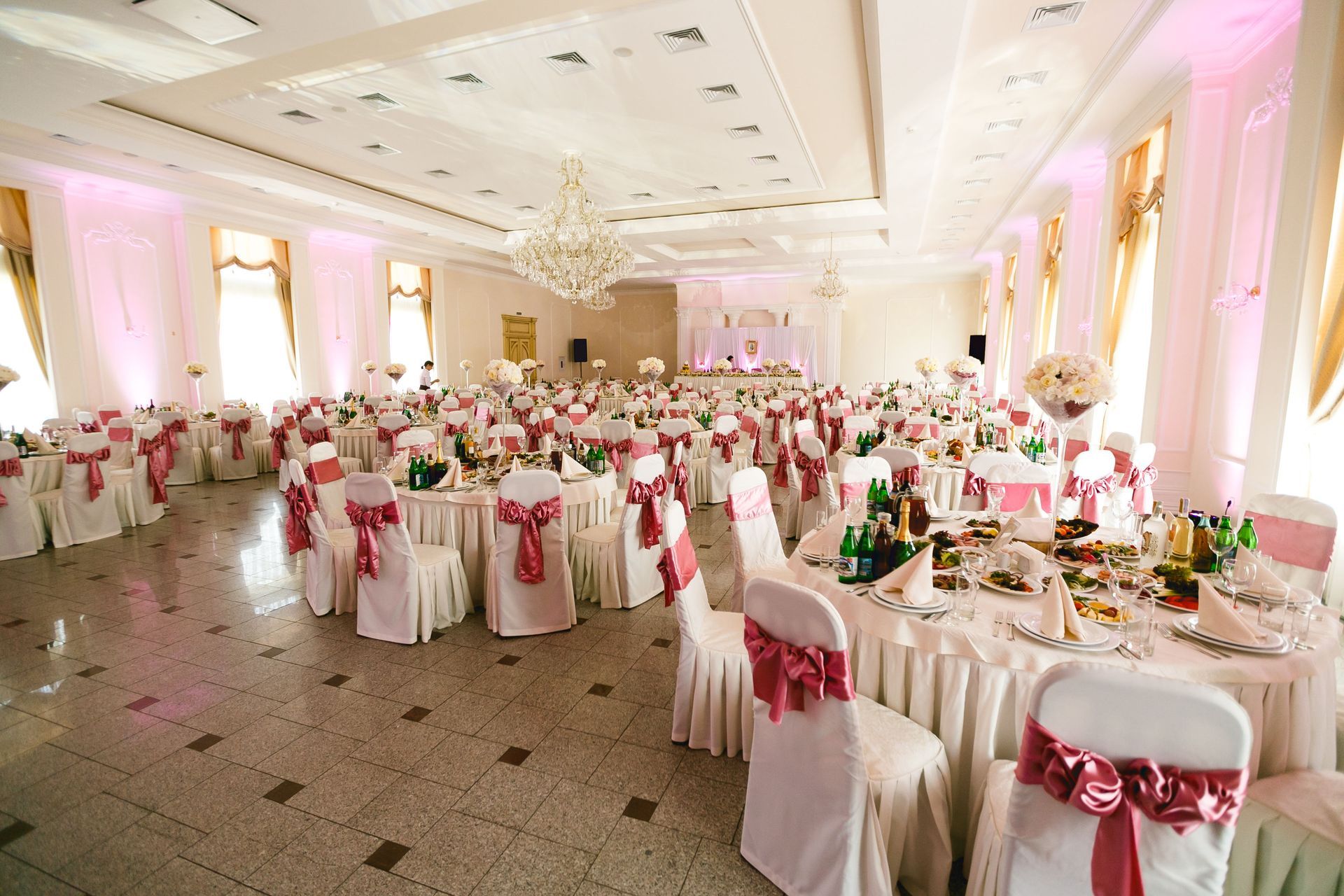
A professional wedding planner often helps couples find balance between their vision, venue capacity, and budget while keeping the event intimate and memorable.